
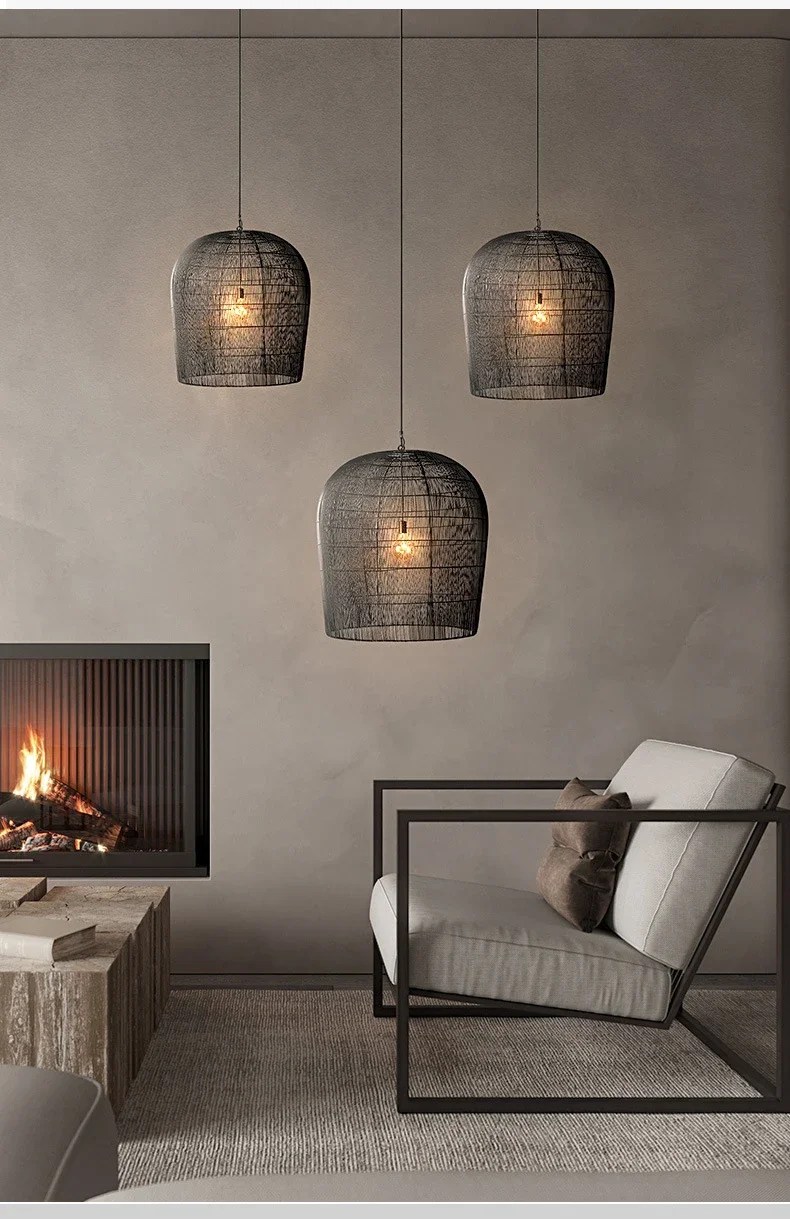
Lighting plays a pivotal role in interior design, influencing not only the visual appeal of a space but also its functionality and atmosphere. From setting the mood to enhancing productivity, lighting has a profound impact on our perception of a room and how we interact with it. Here’s a closer look at why lighting is so crucial in interior design:
Mood Enhancement:
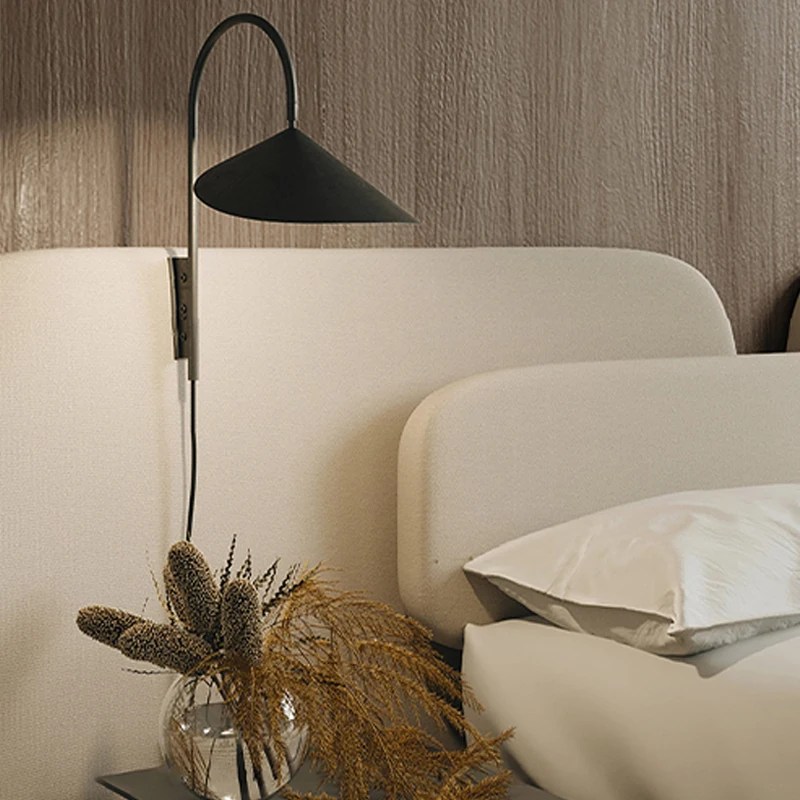
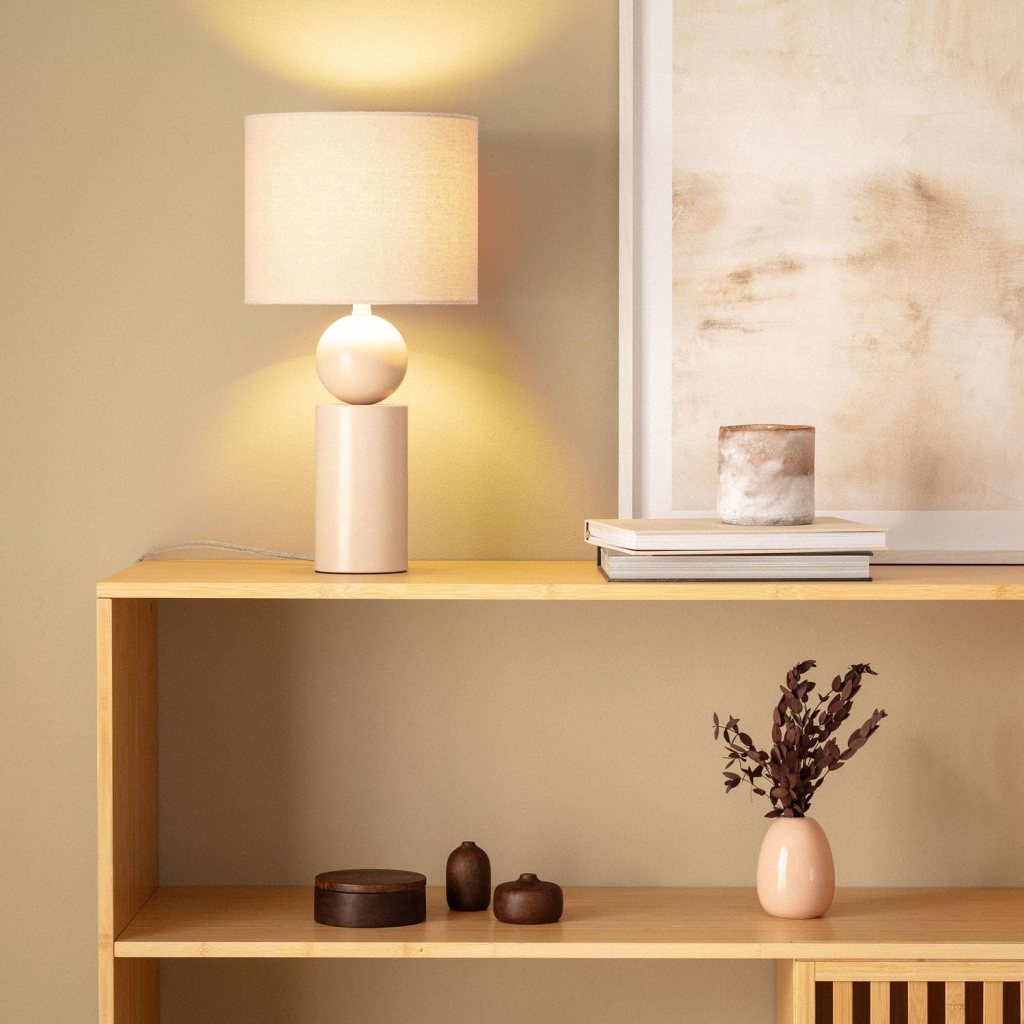
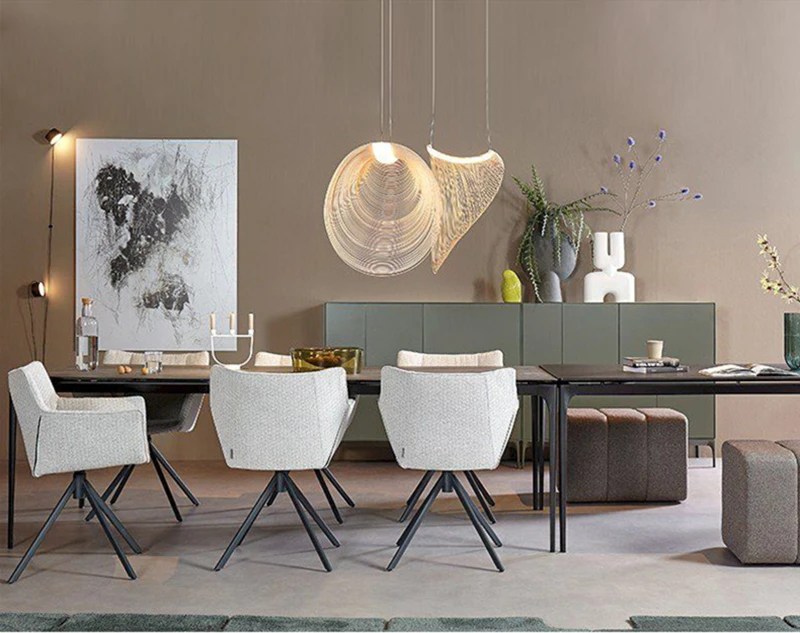
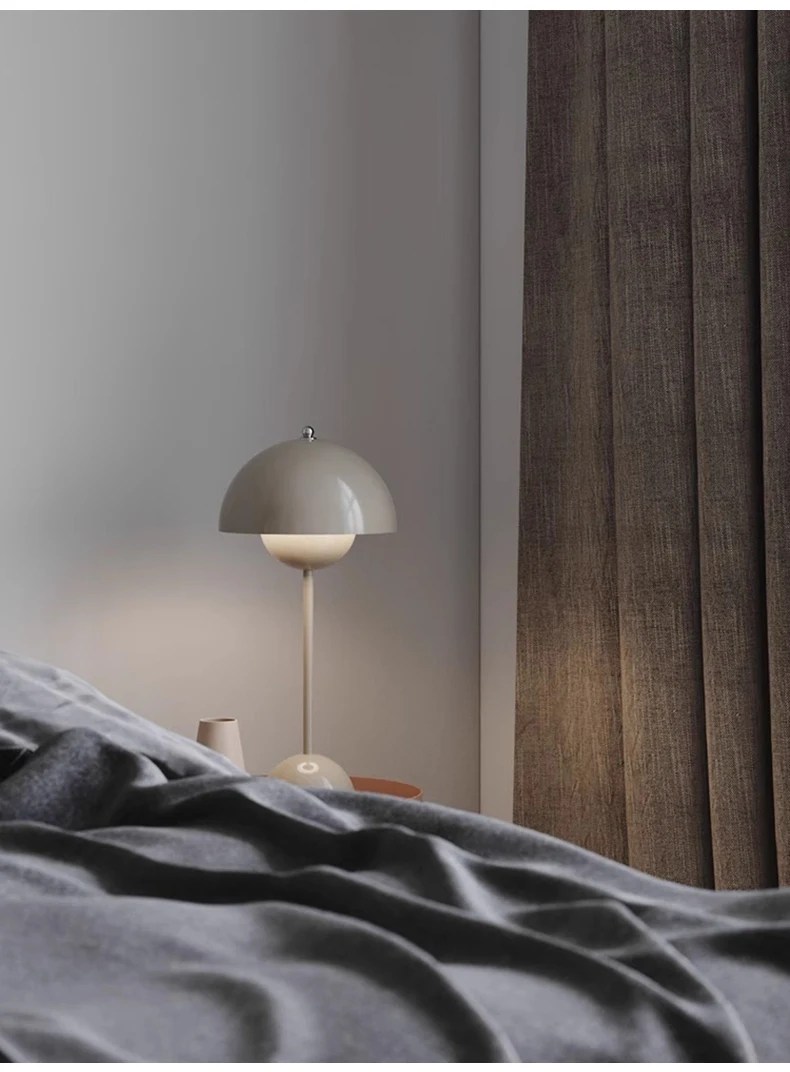
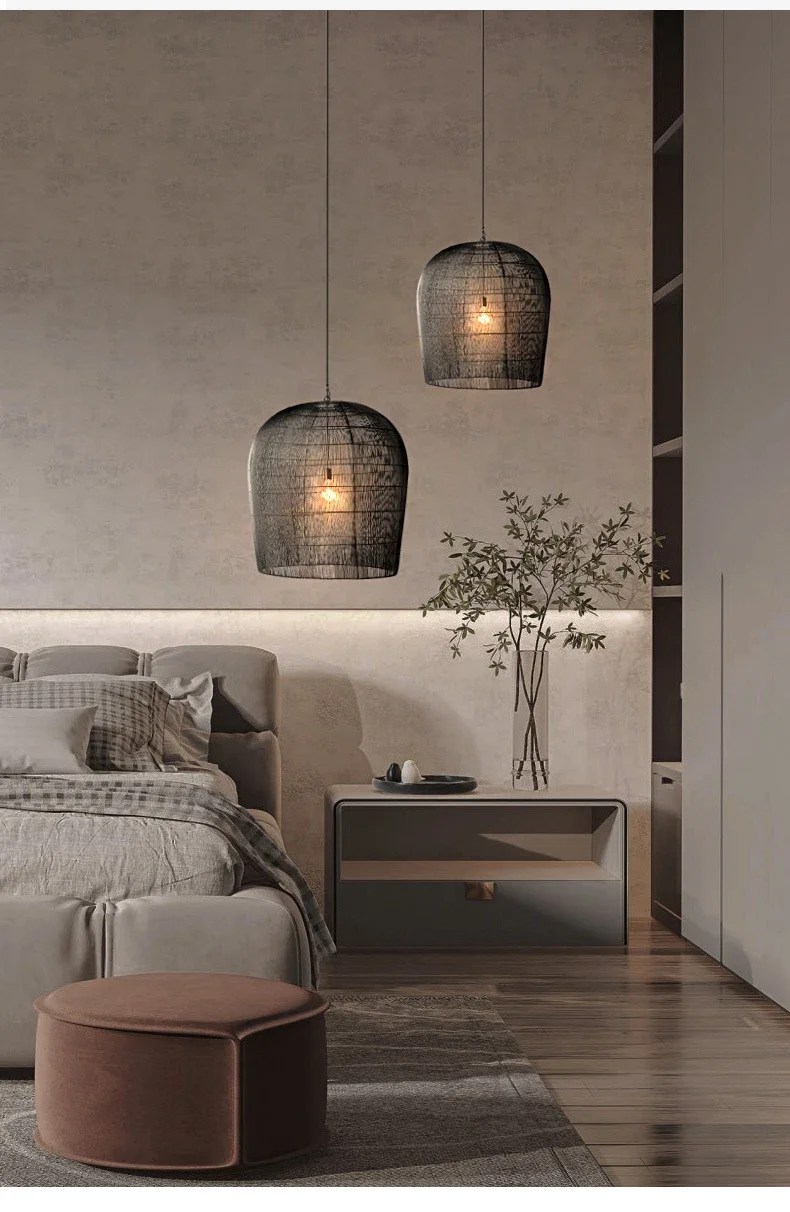
Lighting has the power to evoke emotions and create a certain mood within a space. Whether it’s the warm glow of a bedside lamp that promotes relaxation or the vibrant illumination of a dining room chandelier that fosters conviviality, the right lighting can set the tone for any occasion.
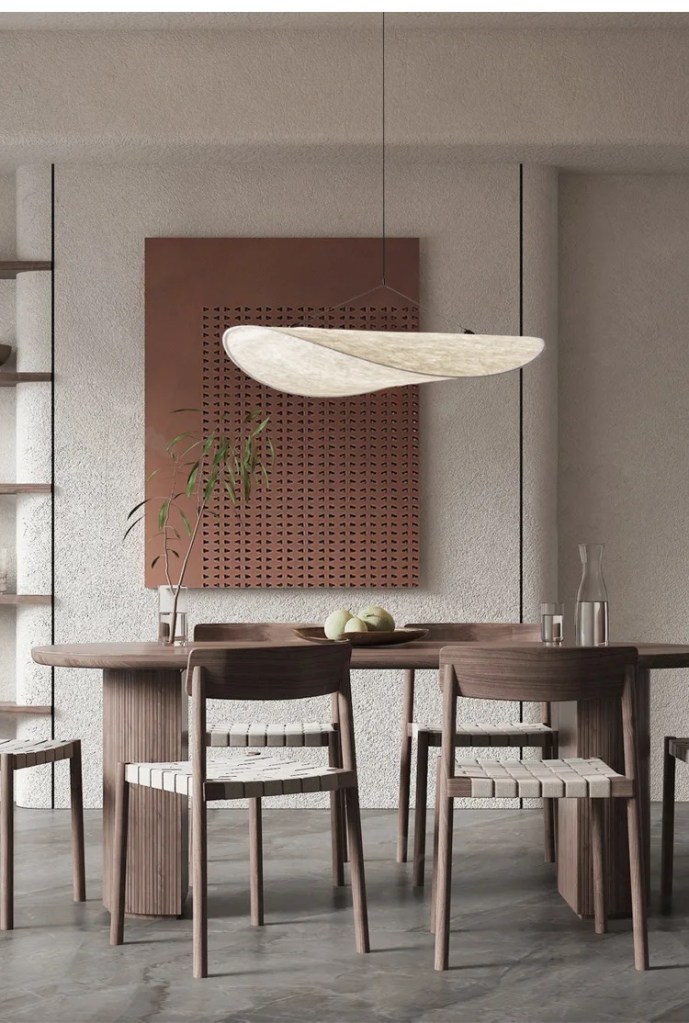
Productivity and Functionality:
Adequate lighting is essential for performing tasks efficiently and comfortably. In workspaces such as home offices or kitchens, proper task lighting ensures that activities like reading, cooking, or working on a computer can be carried out with ease and accuracy. Bright, focused lighting reduces eye strain and fatigue, enhancing productivity and concentration levels.
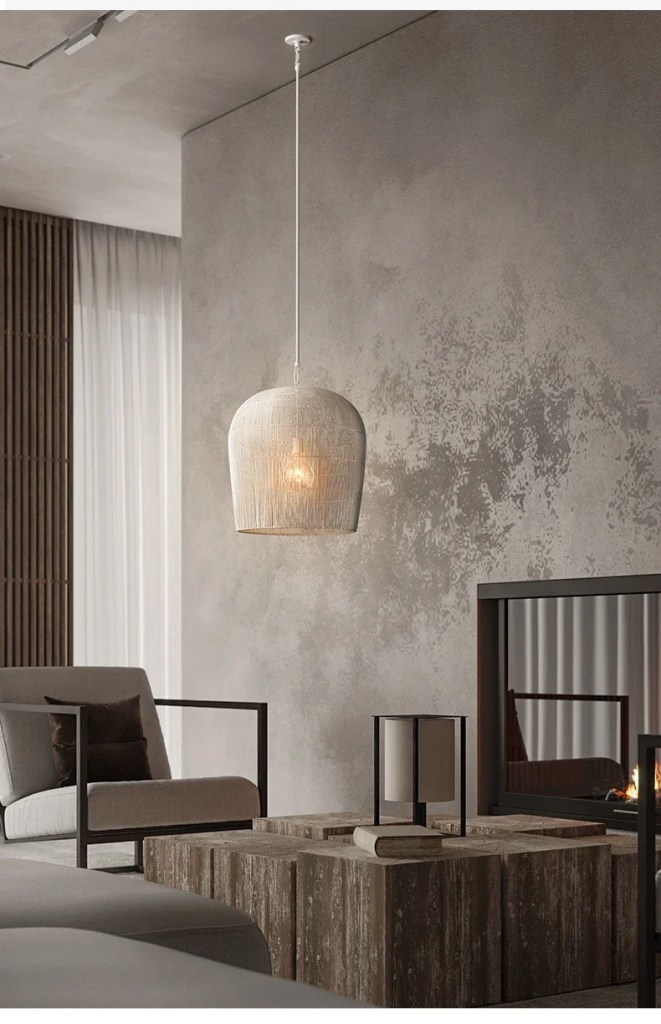
Ambiance Creation:
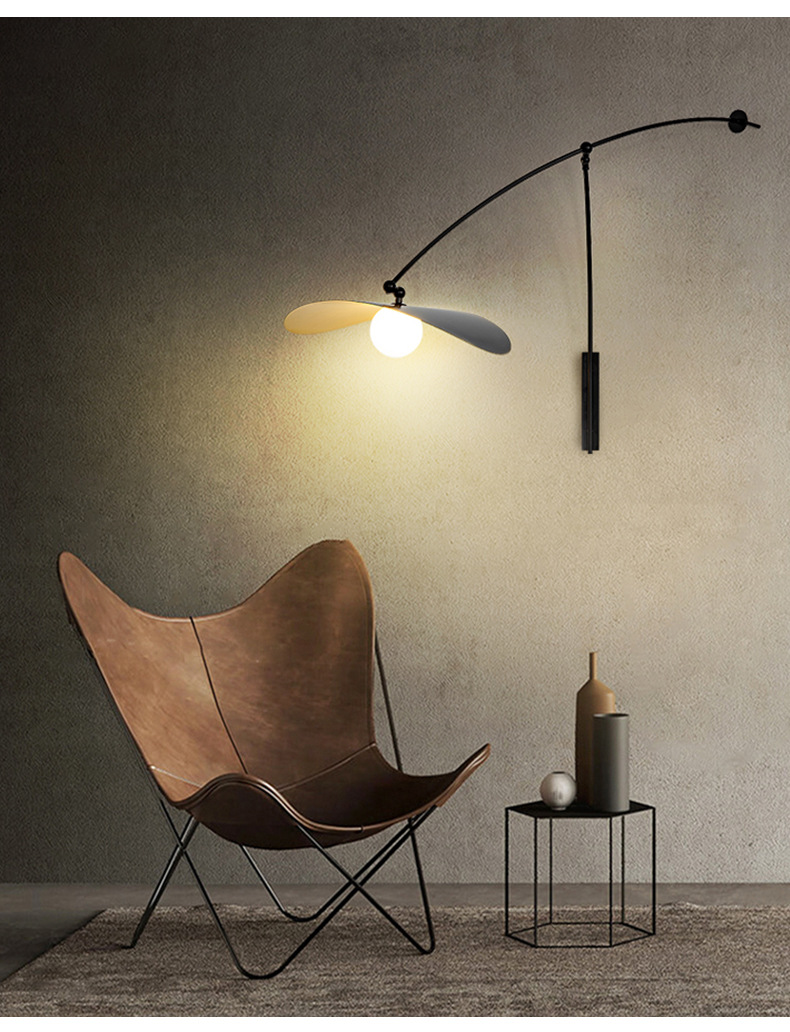
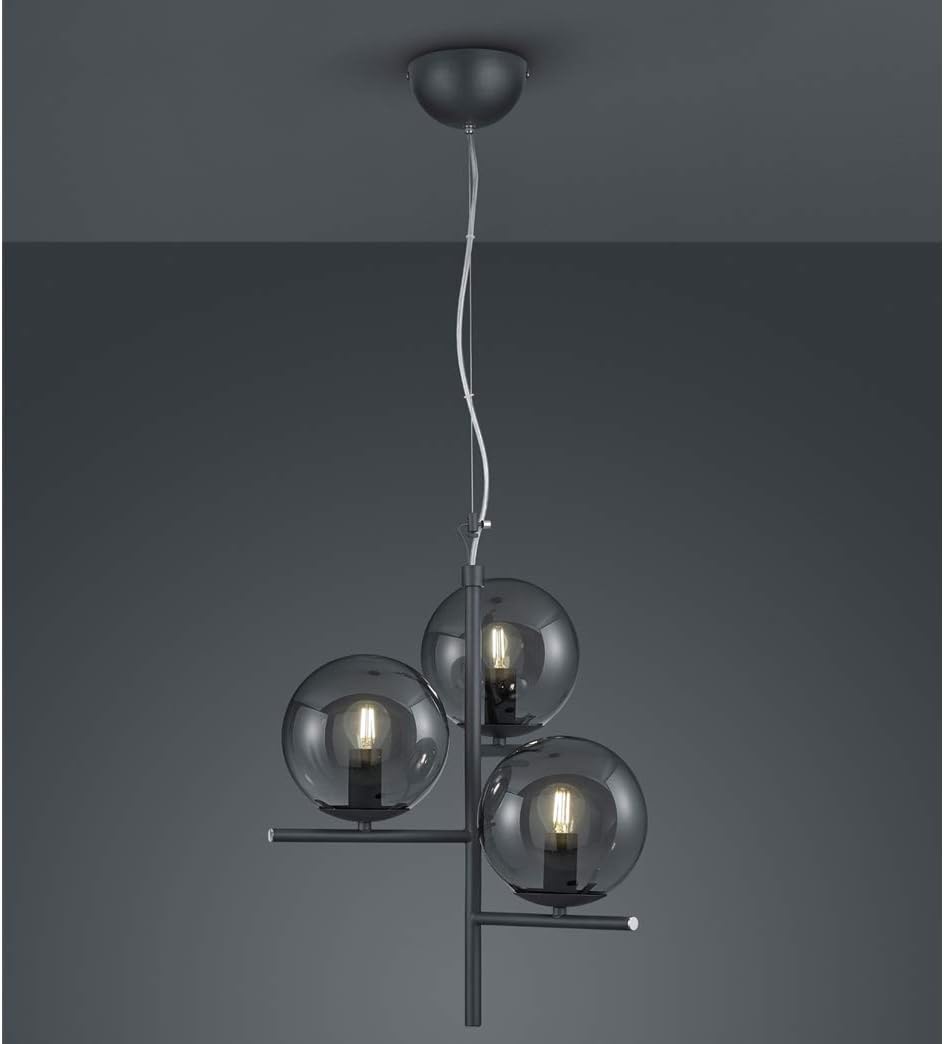
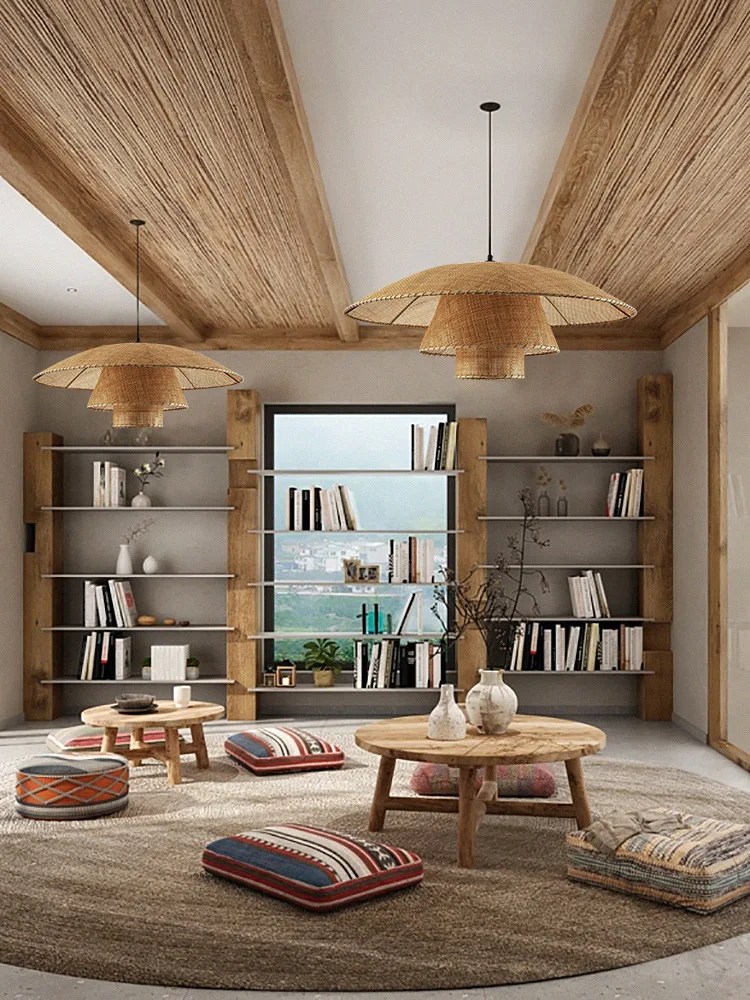
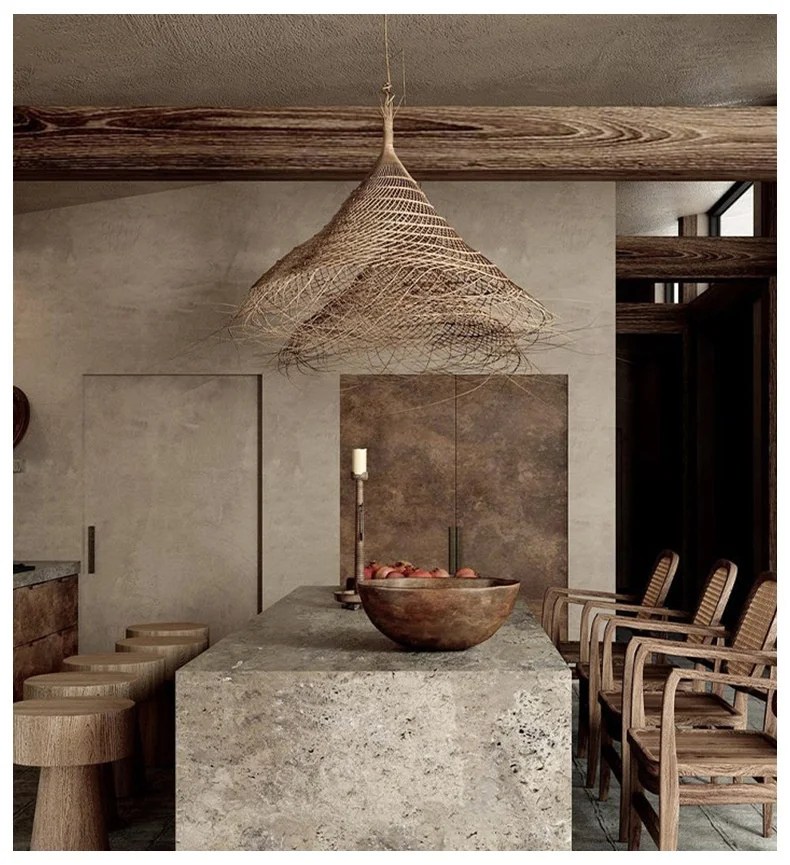
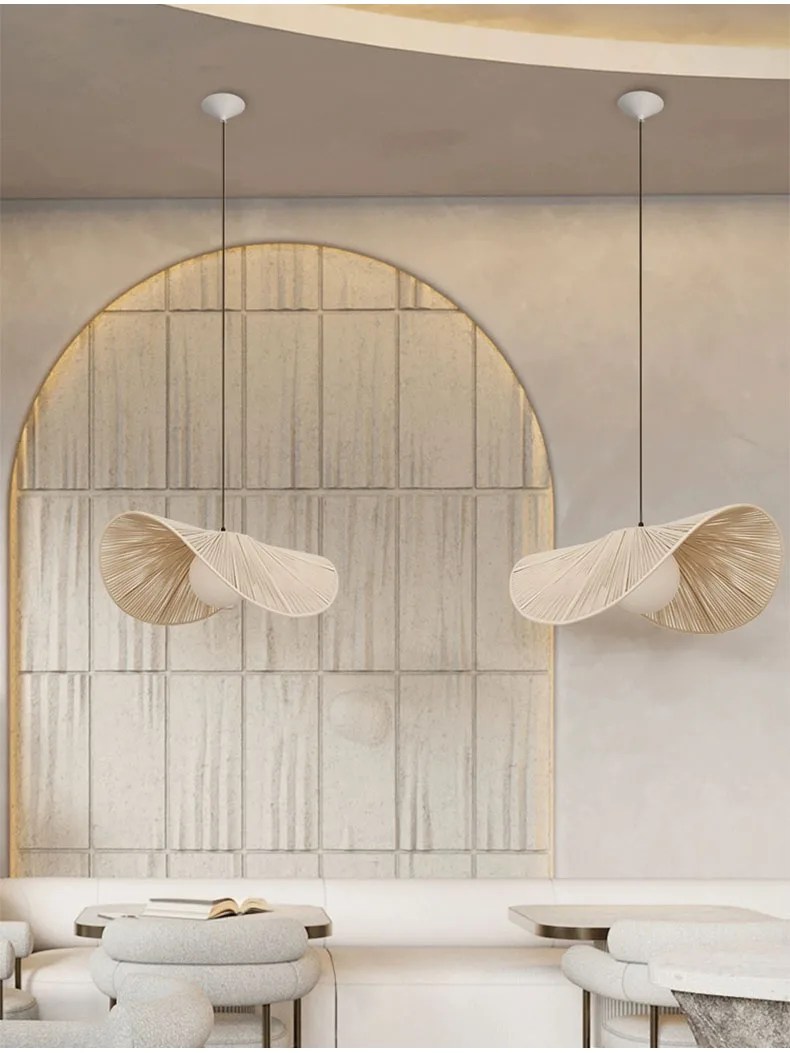
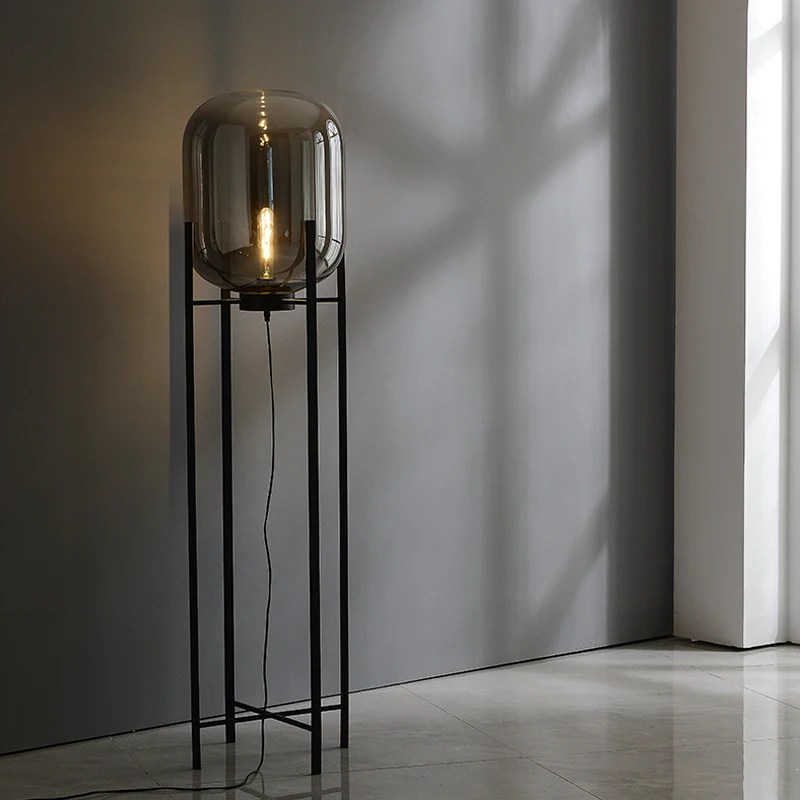
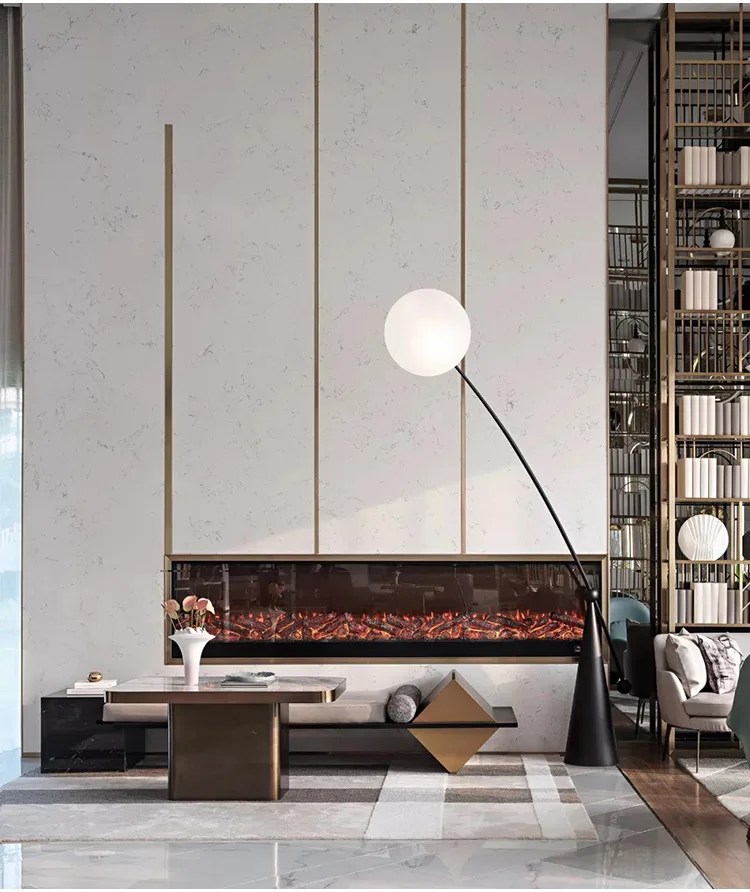
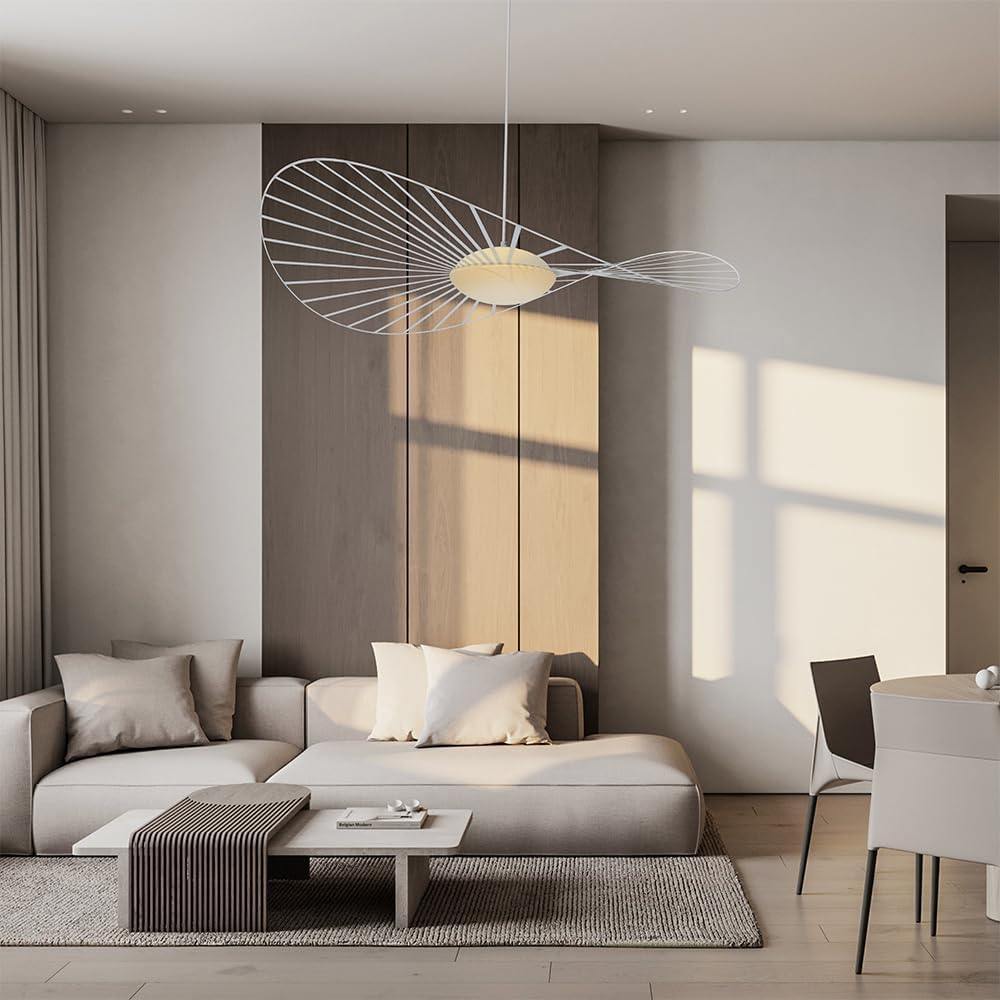
Lighting is a powerful tool for creating ambiance and ambiance in a room. By strategically layering different types of lighting—ambient, task, and accent—designers can control the intensity, color, and direction of light to achieve a desired effect. Whether it’s highlighting architectural features with spotlights, adding drama with decorative fixtures, or softening harsh shadows with diffused lighting, thoughtful lighting design can transform a space into a haven of comfort and beauty.

Visual Perception and Spatial Awareness:
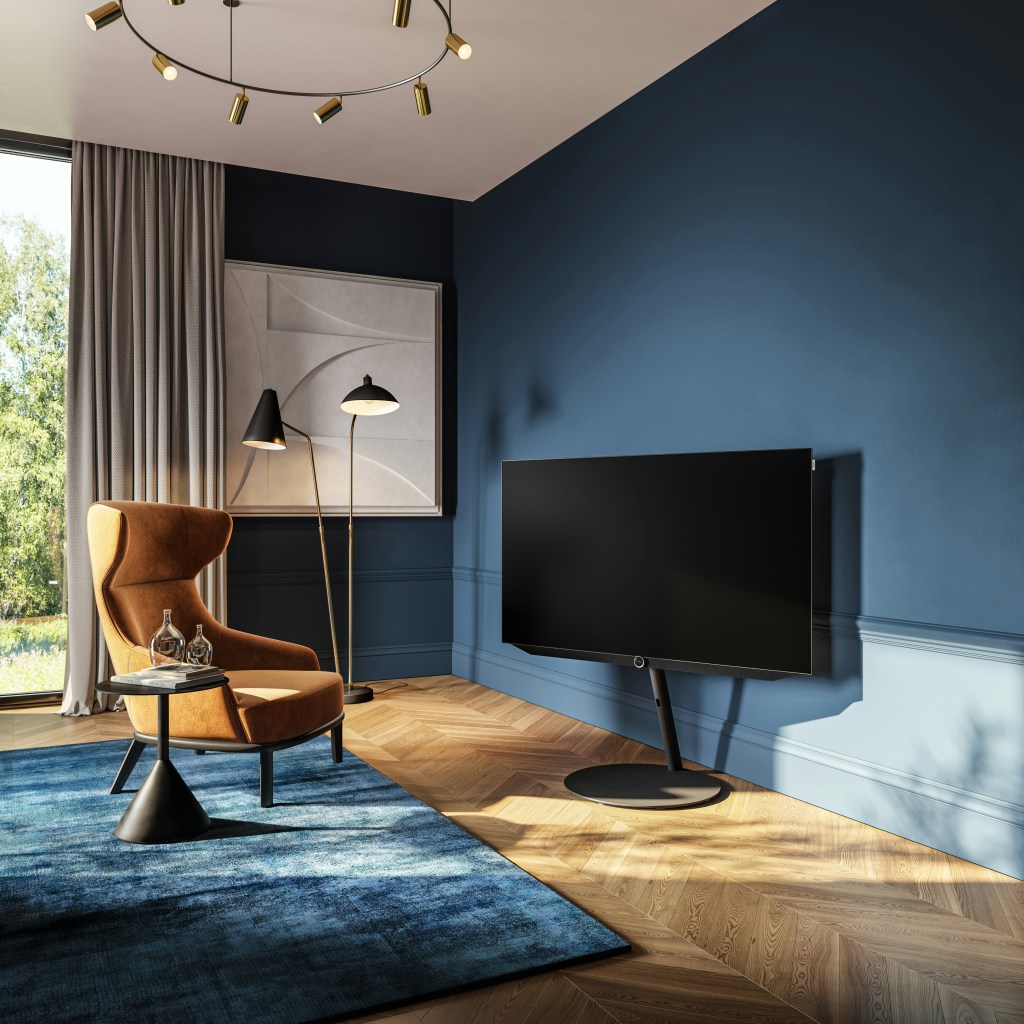
Lighting affects our perception of space, altering how we perceive the size, shape, and texture of a room. Well-placed lighting can draw attention to key focal points, visually expand small spaces, or create cozy intimate areas within larger rooms. By playing with light and shadow, designers can manipulate the visual dynamics of a space and enhance its architectural features.
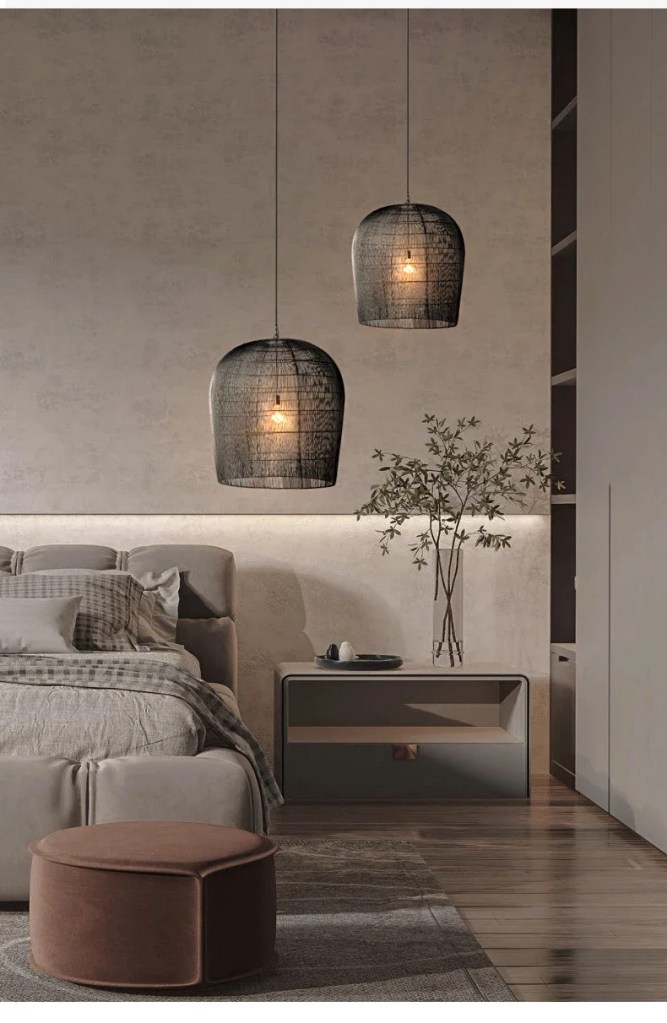
Health and Well-being:
Studies have shown that exposure to natural light can have a positive impact on our health and well-being, influencing our mood, sleep patterns, and circadian rhythms. Integrating daylight into interior spaces through windows, skylights, or light tubes not only reduces the need for artificial lighting but also promotes a sense of connection to the outdoors and a greater sense of well-being.

In summary, lighting is an indispensable element of interior design that goes beyond mere functionality to shape the ambiance, mood, and functionality of a space. By understanding the principles of lighting design and harnessing the transformative power of light, designers can create spaces that are not only visually stunning but also conducive to comfort, productivity, and well-being.
Engage with Us!
We want to hear from you! Share your experiences, insights, and creative lighting ideas with our community. Whether you’ve recently revamped your living room with a new lighting scheme or discovered a clever DIY lighting hack, we’d love to know.
Join the conversation by commenting on our posts, sharing your photos, or tagging us in your own lighting adventures. Together, let’s illuminate the world of interior design with our collective brilliance!
Stay Connected for Brighter Ideas!
Join our vibrant community on social media and ignite your imagination with even more enlightening ideas. Follow us today to spark inspiration, discover the latest trends, and illuminate your world with creativity.
Let’s shine together! ✨




 TIGADU – Illuminating the Heart of Home Decor
Leave a comment